
Writing before words: Clown journaling in Playground
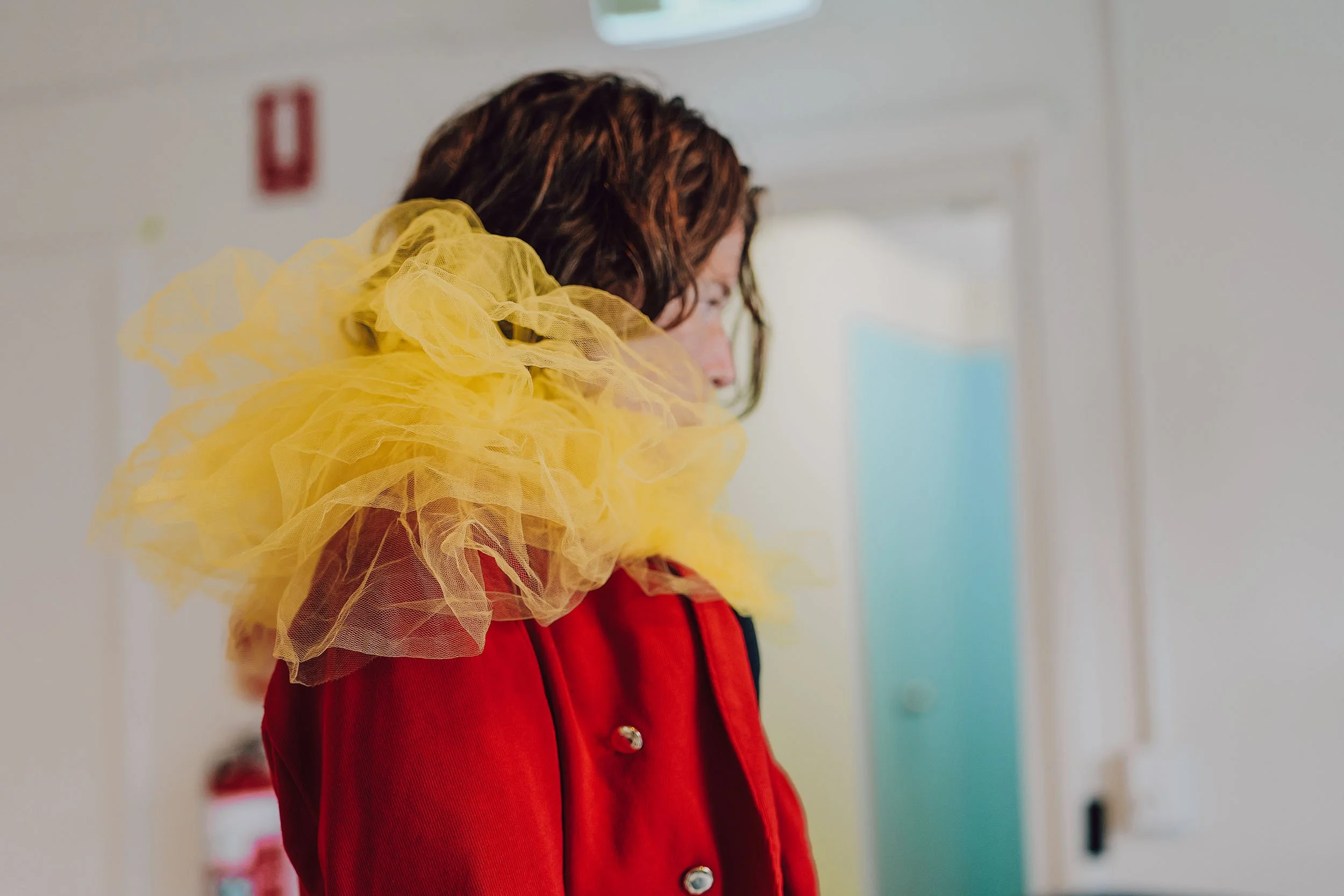
I was taught that the clown is pre-verbal.
Not as a rule.
Not as a theory to prove.
But as a practice you return to again and again.
In my training, and in my experience since, the clown doesn’t begin with language. The body reacts first. Sensation arrives first. Meaning comes later, if it comes at all.
That understanding has shaped how I work with participants in Playground, and why journaling has become a core part of the practice.
We don’t journal to explain what happened.
We journal to catch it before it disappears.
Each month, I invite the class to write from their clown’s point of view. Five minutes only. Stream of consciousness. No editing. No polishing. No pressure to make sense.
I’m not asking for insight.
I’m asking for traces.
Sometimes the pen moves fast.
Sometimes it stalls completely.
Both tell me something.
And often someone says:
“I don’t know who my clown is yet.”
In my experience, this is not a blockage.
It’s the beginning.
When someone doesn’t yet recognise their clown, I don’t ask them to invent one. I invite them to write from their most uncensored self.
Not childish.
Childlike.
The part of you that hasn’t learned how to perform intelligence on the page.
The part that’s curious, brave, messy, repetitive, a little inappropriate.
The part that follows impulse without checking if it’s correct.
This writing might arrive as gibberish.
Half-words.
Sounds.
Repetition.
Maternal language is welcome.
So is nonsense.
So are doodles, arrows, circles, torn pages, crossed-out lines that go nowhere.
What matters to me is not clarity, but honesty of impulse.
I’m not interested in journaling as reflection or self-analysis.
I’m interested in journaling as notation.
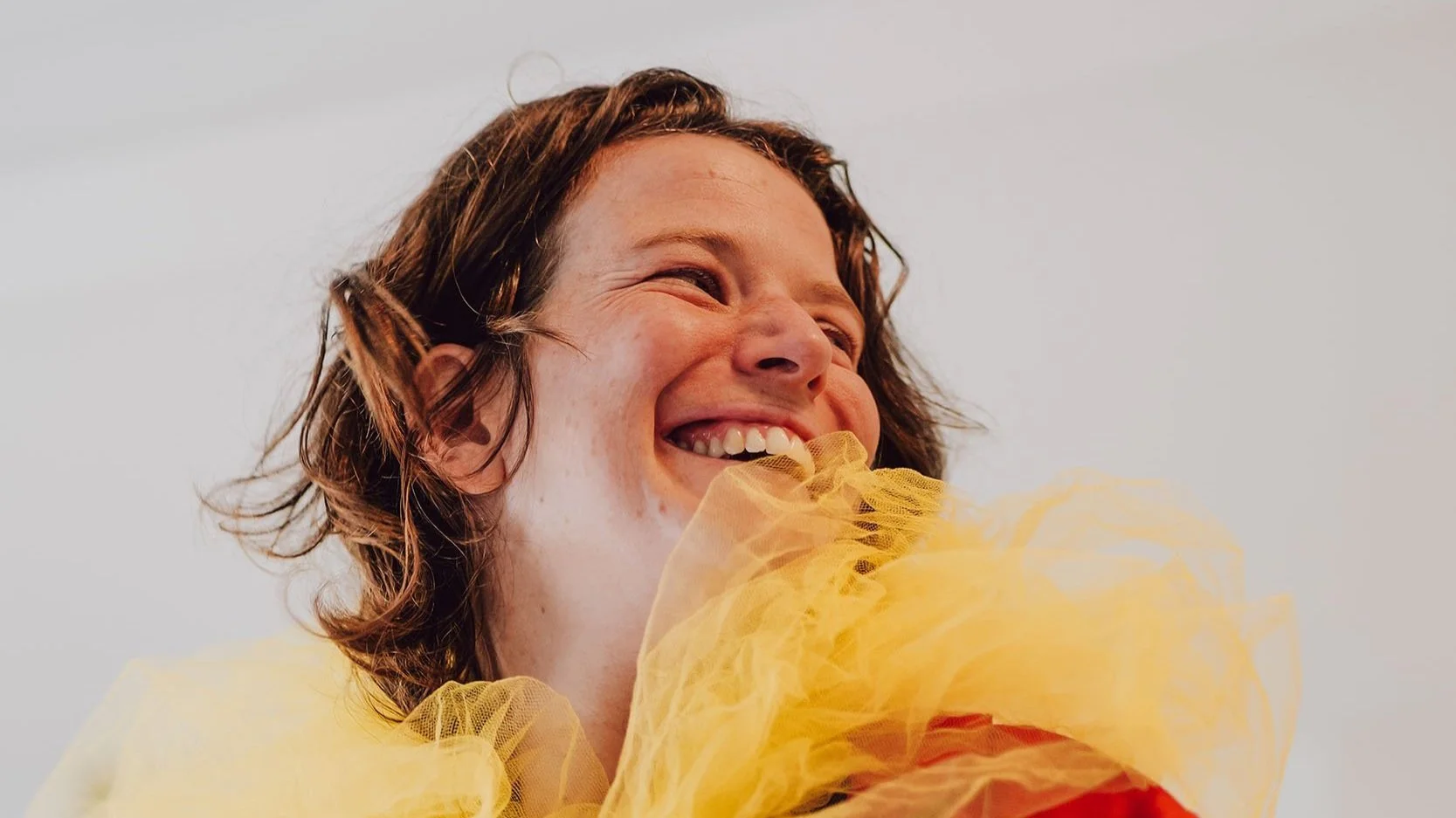
Clown notation (as it’s emerging)
Over time, a shared language has started to appear in these journals. Not a formal system, just a practical one. Ways of writing that sit somewhere between movement and language.
One of them is “tog tog”.
Tog tog is a knock.
Not “I knocked on the door.”
That’s already a story.
Tog tog is the sensation in the wrist.
The decision in the elbow.
The moment before the body commits.
I don’t teach this as a rule.
It emerges because people are trying to write what actually happened, not what it sounded like afterwards.
The journals fill with fragments like:
tog tog
wait
too soon
laugh came late
why did that work
don’t look
look again
This isn’t nonsense to me.
It’s information.
In this practice, journaling becomes a way of tracking timing, impulse, attention, and reaction. What shifted the room. Where the laugh surprised you. Where the body hesitated or rushed.
I notice that when people write this way, they remember conditions rather than jokes. They remember how something happened, not what they meant.
Reading it out loud
Sometimes, after writing, I invite this beautiful community to read their journals out loud as their clown.
Not as a performance.
As an experiment.
This is often where the writing reveals its real value.
Words trip.
Pauses stretch.
A sentence collapses into a look.
A sound replaces a word because it feels more accurate.
Often the audience laughs at something the reader didn’t know was funny.
Sometimes the reader laughs first.
Both tell us something.
Five minutes only
The writing is short on purpose.
Five minutes doesn’t give the inner critic time to organise itself.
There’s no space for themes or insights or “what this says about me.”
There’s just:
What happened.
What surprised you.
What you didn’t mean to do.
Longer writing invites explanation.
Short writing preserves impulse.
And because each month in Playground has a different focus such as entrances, stillness, audience connection, failure, play, the writing changes too.
Over time, the journal becomes a map of the practice.
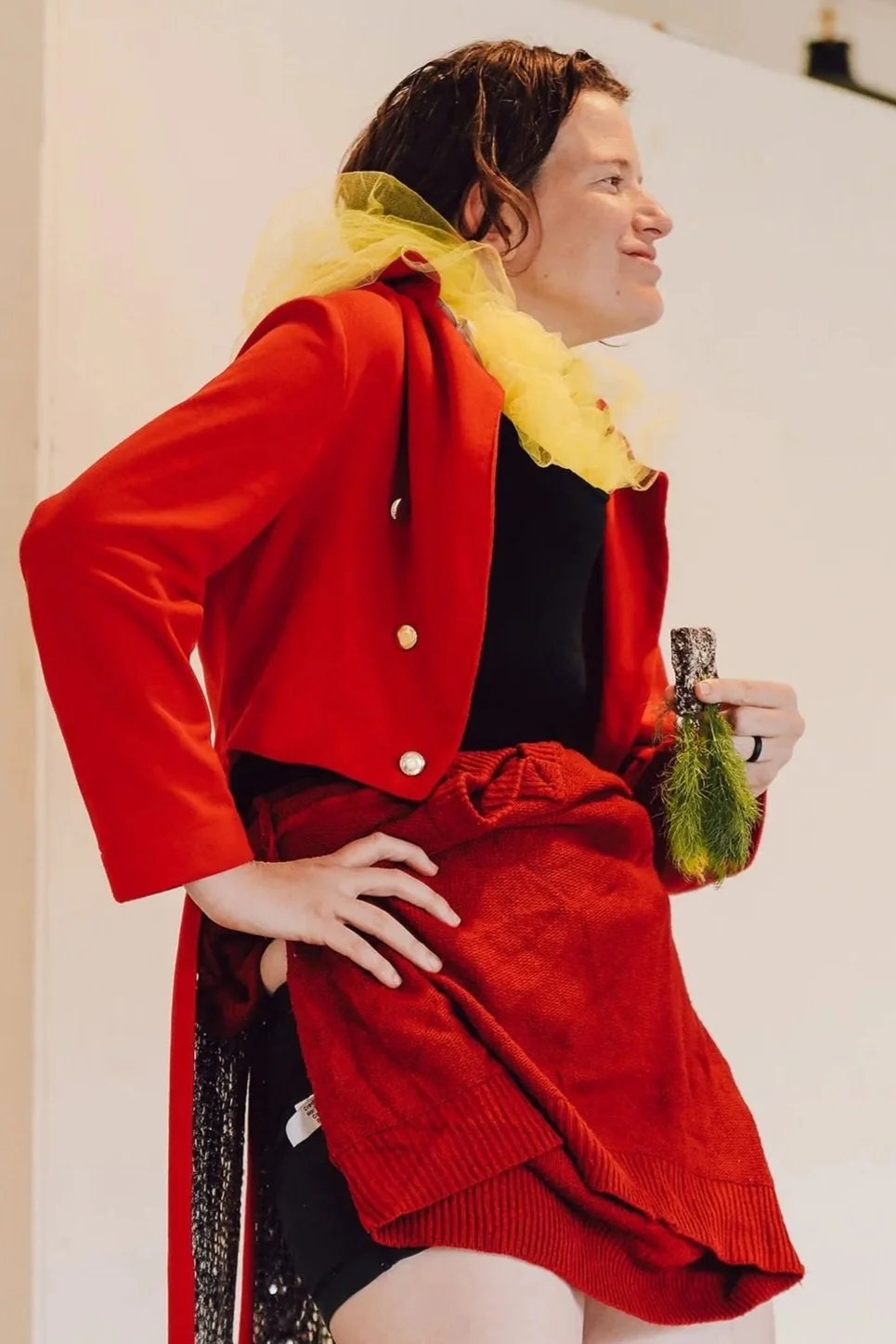
Why I return to this again and again
I return to this practice because I see what it gives people access to.
Permission to write badly.
Permission to write sideways.
Permission to not know yet.
For adults especially, many of whom have been trained to translate experience into sense as quickly as possible, this feels quietly radical.
I’m not claiming this is the only way to journal.
Or that the clown is always pre-verbal.
I’m describing what I was taught, what I’ve practiced, and what I continue to observe in the room.
Sometimes all that remains on the page is:
tog tog
And in my experience, that’s enough.
A small note on lineage
This way of working is shaped by my training in physical theatre and clown, particularly within the Lecoq lineage, where movement, rhythm, and impulse are explored before explanation. The journaling practice has grown through teaching, observation, and listening to what consistently emerges in the room.