
What would a clown do with the marketing?
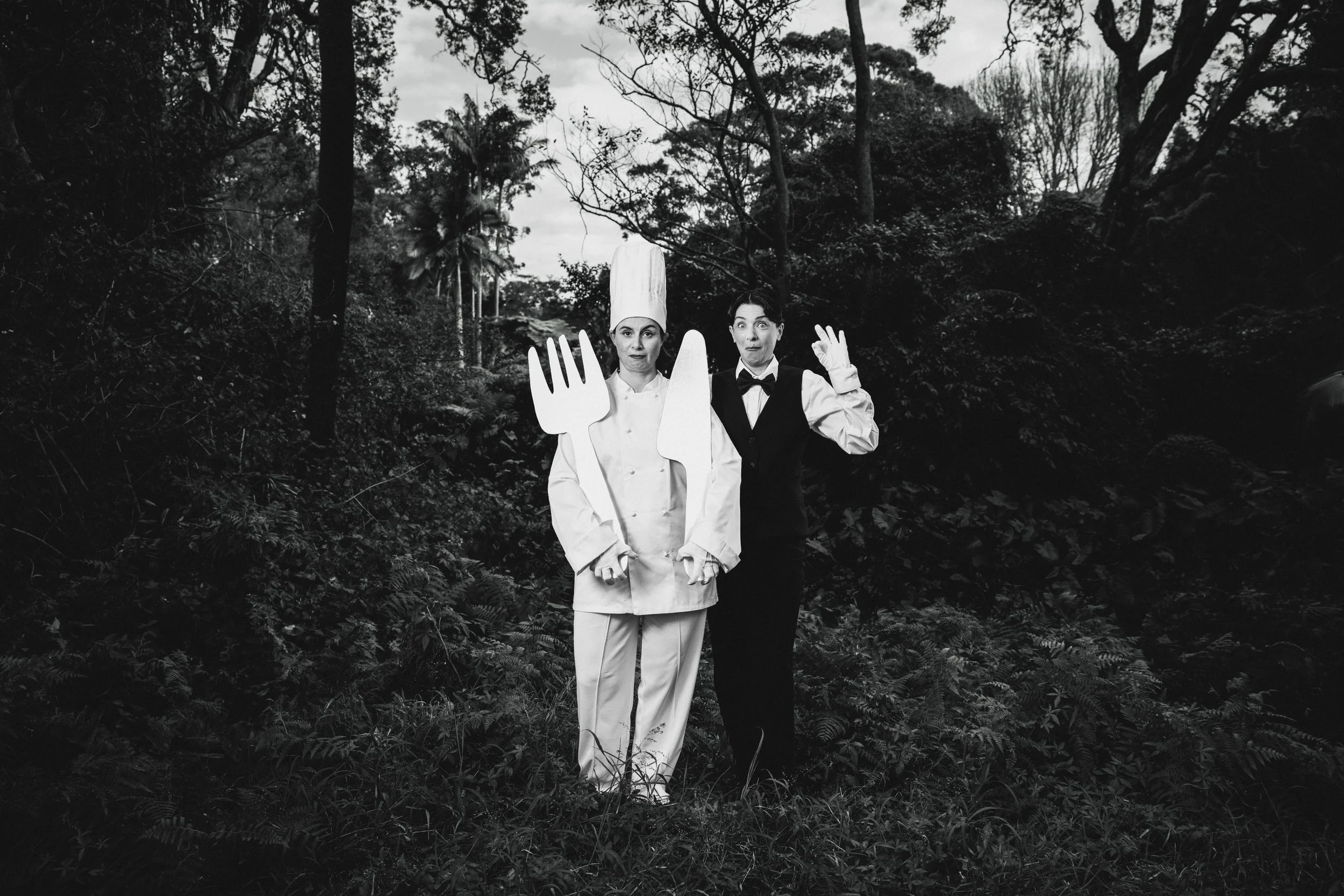
When Ali (my colleague) and I started making Playful Plate, we did what you do when you’re making independent theatre and there are far too many jobs for the number of people in the room.
We split them up.
This is how I remember it. Ali gave me fundraising and marketing. I eye-rolled. I huffed. I grumped my way into it.
I didn’t want to do fundraising and marketing. I wanted to make the work. That was the fun bit. I could happily spend an unreasonable amount of time wondering whether Ali, as the Head Chef, should put her head through the middle of a table.
That was one of my ideas.
Stupid idea.
Still very proud of it.
That kind of thinking comes easily when I’m making clown work. You throw something into the room, however ridiculous, and see if it has legs. Or in this case, a head.
“I was using one brain to make the show and another brain to try to get the show out into the world.”
But when it came to marketing and fundraising, I suddenly became very sensible. I approached them as Important Jobs That Needed To Be Done Properly.
Which was probably why I hated them.
At some point I realised I was using one brain to make the show and another brain to try to get the show out into the world. So I asked myself:
What would a clown do with marketing?
That question was much more interesting.
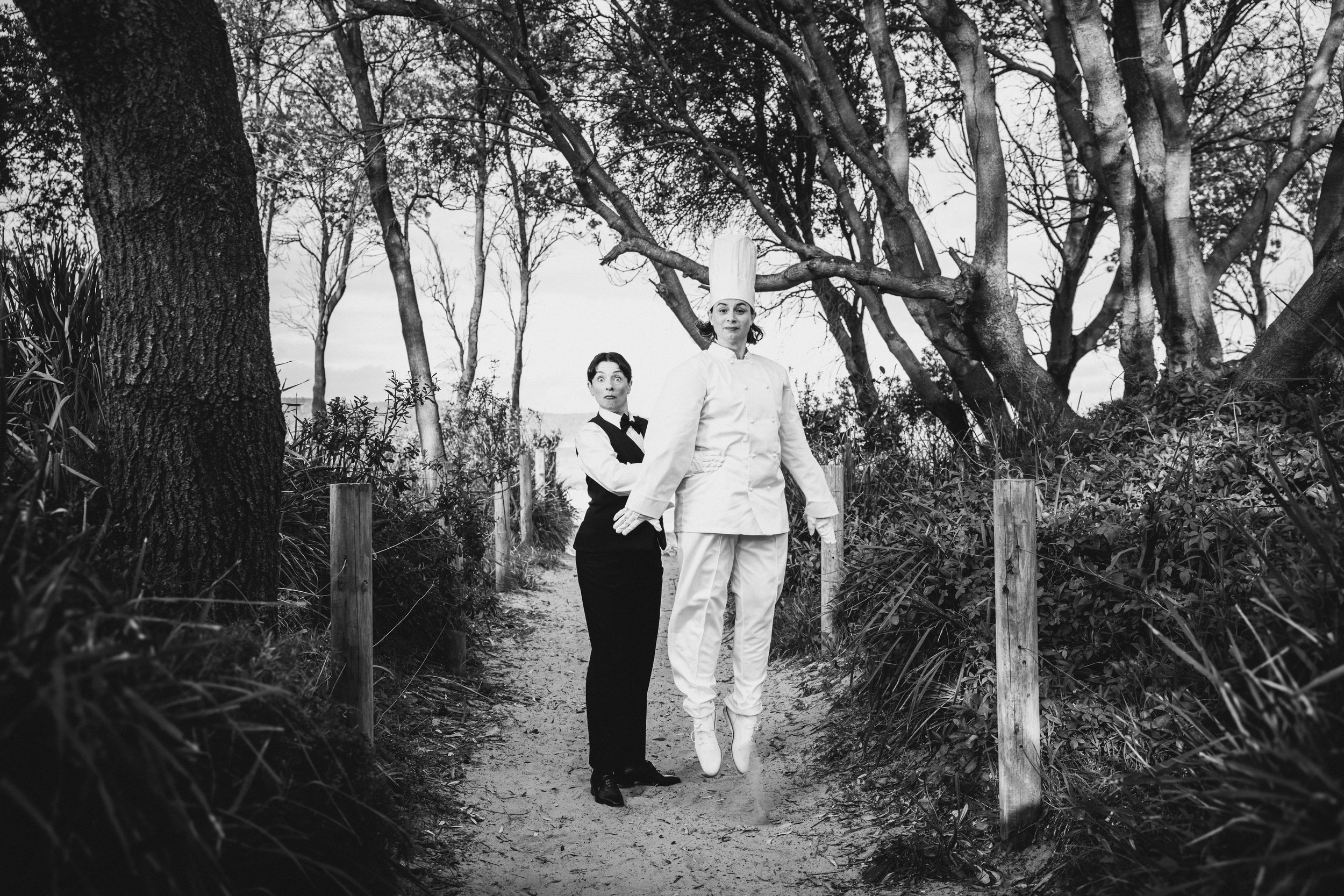
Welcome to our restaurant. Please leave a review.
Playful Plate is a clown theatre experience that borrows the world of dining.
People arrive at our table. We serve them an experience. They talk, imagine, contribute, tell stories and become part of what unfolds.
So I thought, well, restaurants have Google Reviews.
Why shouldn’t we?
It was a little ridiculous, very simple and, importantly for our budget, free.
So Google Reviews became part of how we started finding out what happened to people when they encountered the work.
This is where making theatre on a shoestring gets interesting.
When you don’t have a big marketing budget, you can’t keep reaching for money every time you need people to notice something. You have to get creative.
And I don’t want to romanticise that. Artists need funding. Artists need to be paid. Independent work cannot survive indefinitely on goodwill, favours and somebody’s printer.
But lack of resources does force you to ask different questions.
What do we already have?
Who can we talk to?
What can we make ourselves?
What can we borrow?
How do we get someone curious enough to come closer?
How do we get people talking about the work?
How do we get traction when we don’t have a publicity machine pushing us from behind?
They’re actually very similar questions to the ones I ask when I’m making clown.
What have I got?
What can I do with it?
What happens if I try this?
And perhaps most importantly… 4. What happens if it fails?
You try another stupid idea.
“When you don’t have a big marketing budget, you can’t keep reaching for money every time you need people to notice something.”
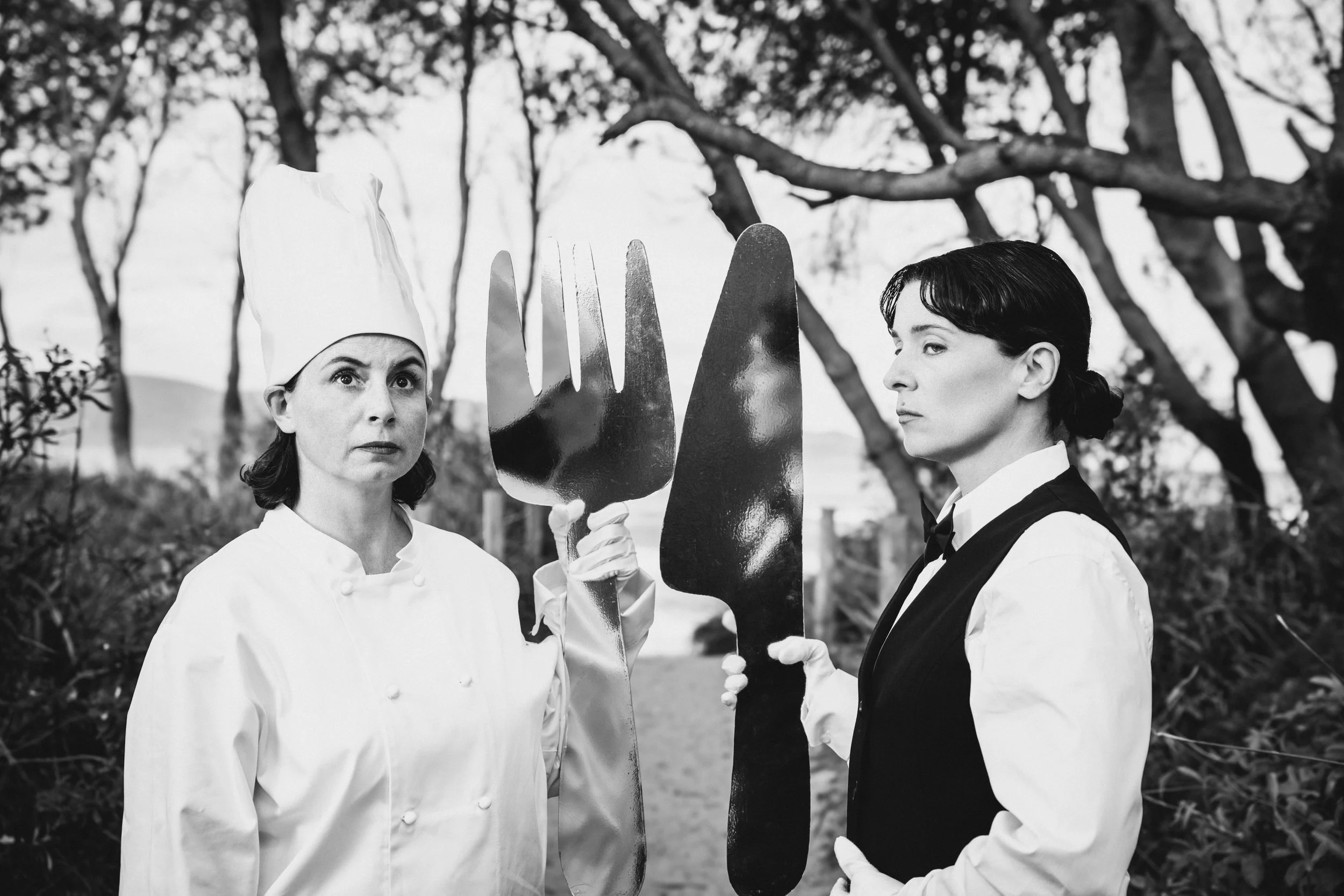
Getting traction.
There is a strange reality to being an independent artist. Making the work is only one part of making the work. You also have to convince people it should exist.
You have to find the money, find the opportunities, find the audience, write the emails, make the posts, talk to presenters, fill in forms and explain repeatedly what the thing is before the thing has even had a chance to become itself.
And when you’re making something a little unusual, that can be even harder.
How do you explain Playful Plate?
Is it theatre? Is it clown? Is it an installation? Is it dinner?
There isn’t actually dinner. Probably important to mention that.
We’ve had to find ways of creating curiosity around something that makes much more sense once you’re sitting at the table experiencing it. And I’ve started to realise that maybe the job isn’t to suddenly become good at conventional marketing.
Maybe I can approach the whole problem with the same spirit with which we made the work. Try something. See what happens. Listen. Respond. Follow what has life. Fail. Try something else.
That is a language I understand.
“Maybe I can approach the whole problem with the same spirit with which we made the work.”
And then Nancy left us a review.
Recently we performed Playful Plate in Mandurah, Western Australia.
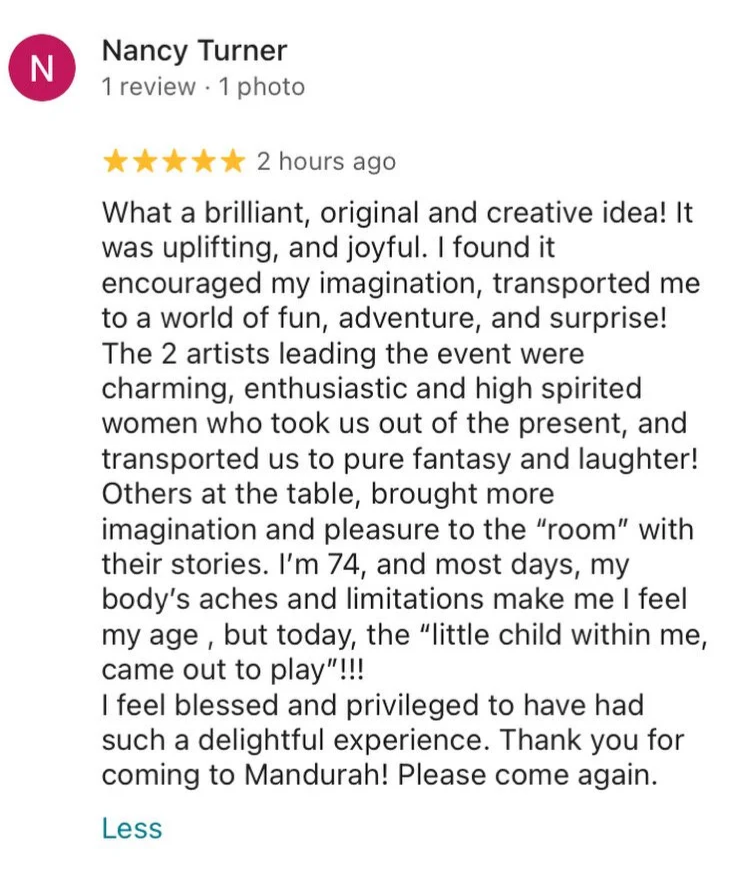
Afterwards, a woman called Nancy left us a Google Review.
She wrote about being transported into “a world of fun, adventure, and surprise” and about the other people around the table bringing their stories and imaginations into the experience.
And then she wrote:
“I’m 74, and most days, my body’s aches and limitations make me feel my age, but today, the ‘little child within me, came out to play’.”
That got me. Because there it was. The reason we made the bloody thing.
Amongst all the fundraising and marketing and trying to get traction and wondering how the hell you keep a small independent work alive, this woman had told us exactly what had happened to her.
For a little while, she played.
At 74, despite a body that reminds her of her age, she entered an imaginary world with us and with a group of strangers.
That’s the work.
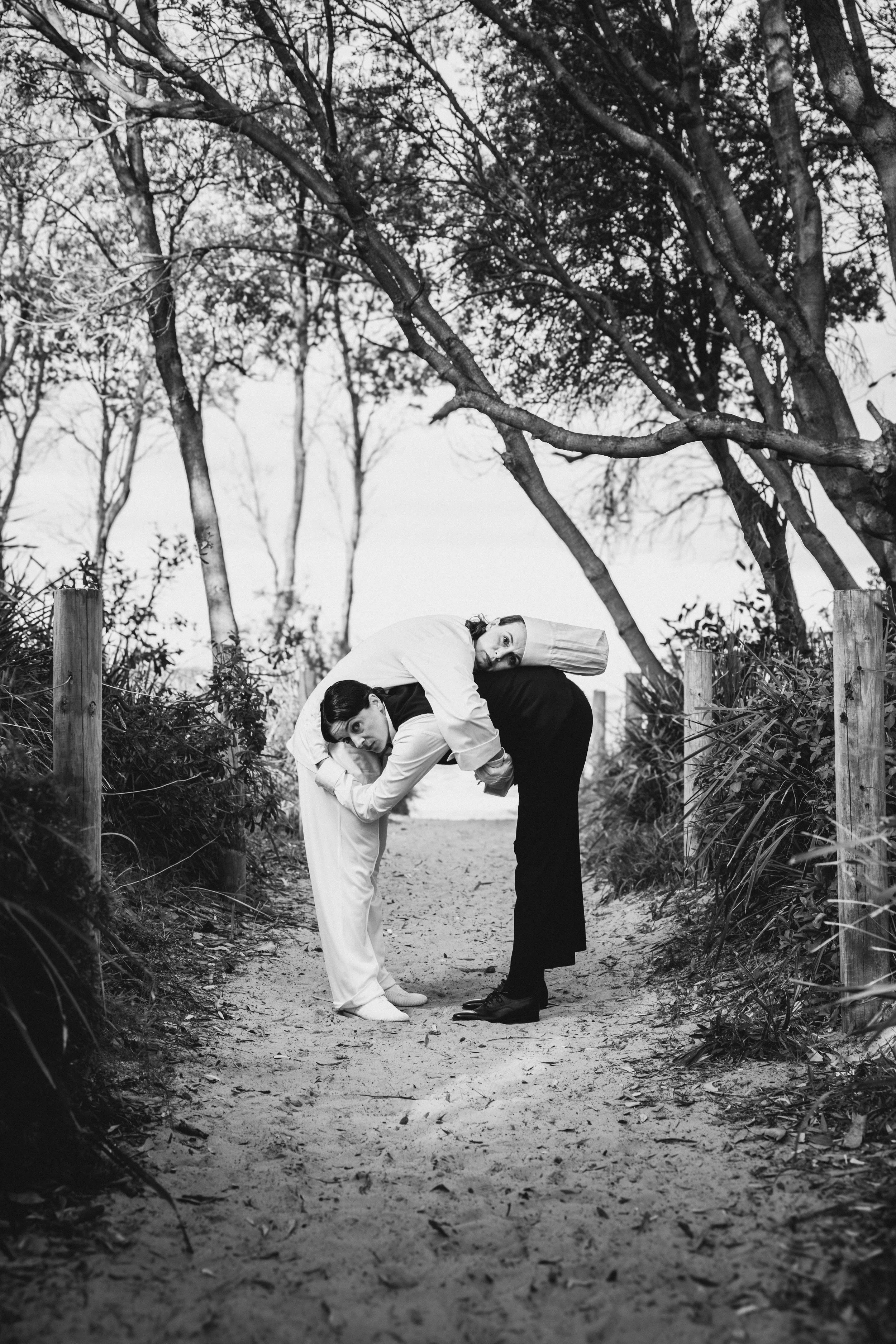
Playful Plate isn’t really about pretending to run a restaurant. It’s about creating permission for adults to play. And I don’t mean being childish.
I mean our human capacity to imagine something together and, for a moment, agree that it is real. A stranger offers an idea. Someone else adds to it. Another person takes it somewhere we couldn’t possibly have planned.
People who didn’t know each other ten minutes earlier are suddenly making a world together.
That’s one of the things I love about clown. The audience isn’t there simply to receive the finished product. They’re alive inside the event.
Nancy understood that. She even wrote about the other people at the table bringing more imagination and pleasure into the “room” through their stories.
We didn’t create that alone. Everyone at the table did.
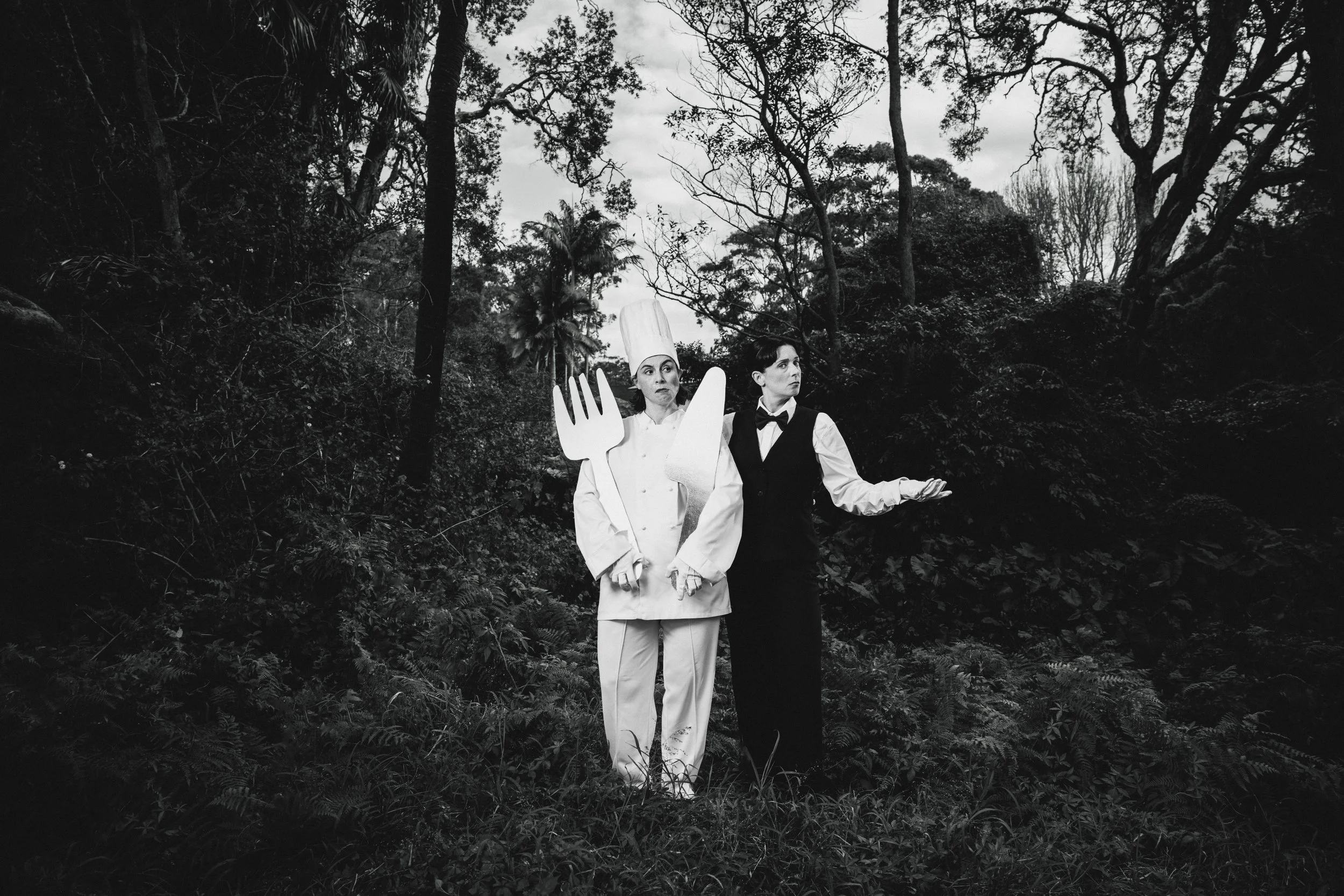
“That’s one of the things I love about clown. The audience isn’t there simply to receive the finished product. They’re alive inside the event.”
Maybe that’s traction too
As independent artists, we’re constantly looking for evidence that something is working. Ticket sales. Bookings. Followers. Funding. Another season. Another presenter. More people through the door.
And of course I want those things for Playful Plate. I want the work to travel. I want people to book it. I want it to have a life. And I’d quite like the artists making it to be paid properly while we’re at it.
But Nancy’s review made me think about what traction actually means.
Sometimes traction is a number. And sometimes it’s one person telling you that something shifted. That for 20 minutes they forgot the usual rules. That their imagination woke up. That they played.
There’s also something stupidly circular about the fact that I discovered this through the marketing job I didn’t want.
I started using Google Reviews because I was trying to think like a clown about promotion. Then one of those reviews came back and reminded me why we were making the work in the first place.
So I’m still responsible for marketing and fundraising (I think). I remain capable of huffing about it.
But I’m trying to stop treating creativity as something that belongs exclusively to rehearsals and performances.
When you’re making theatre on a shoestring, you need it everywhere. In how you make. In how you solve problems. In how you find money. In how you talk about the work. In how you invite people towards it.
And when I get stuck, I’m trying to remember the question that got me out of my marketing sulk in the first place:
What would a clown do with this?
It’s proving considerably more useful than my marketing degree, which is an inconvenient conclusion after paying for one.