
Has the world become more Bouffon than the Bouffon?
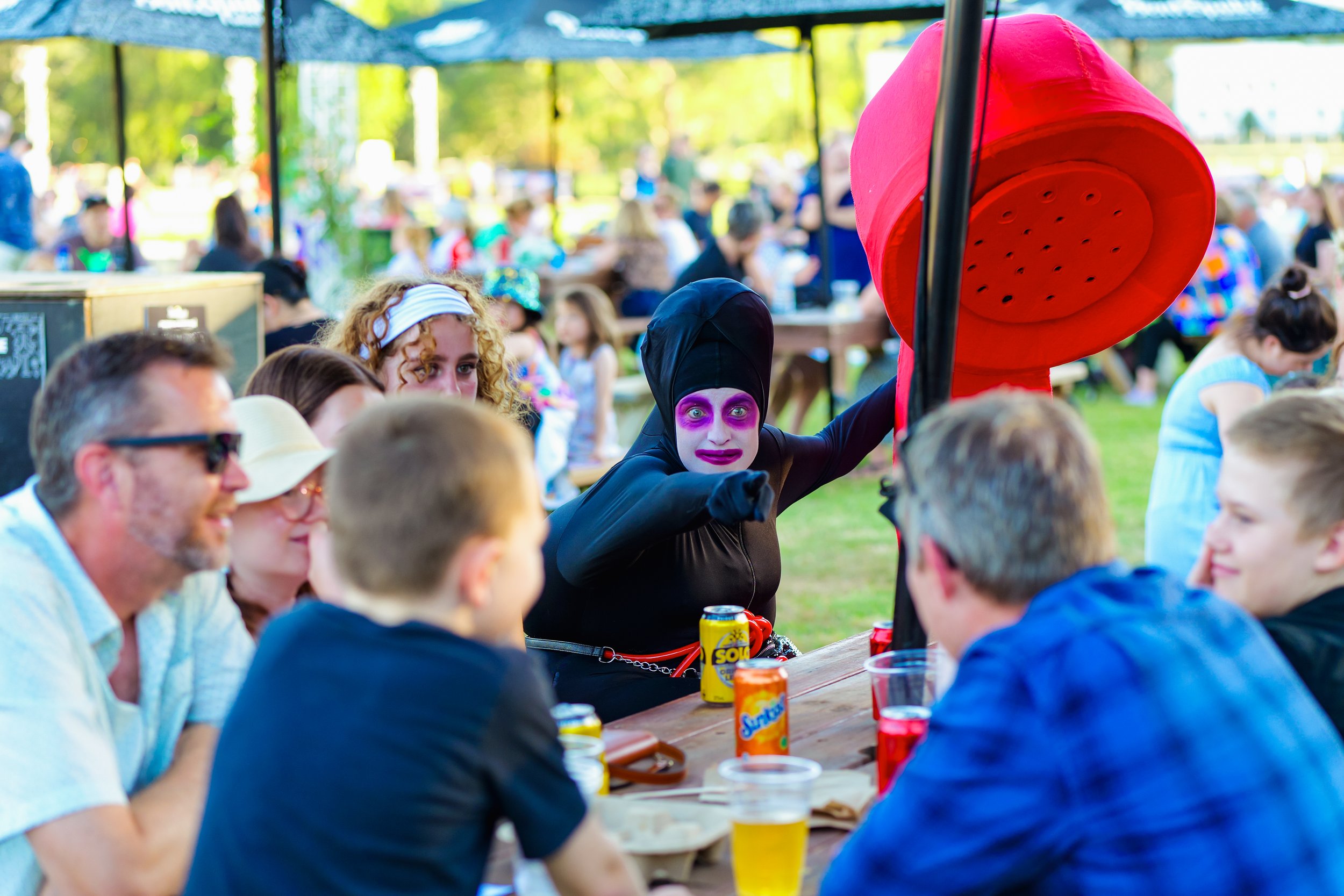
A few weeks ago I watched Funny AF on Netflix.
I laughed. The performers were sharp, skilled and charismatic. The jokes landed. The audience roared. Everyone appeared to be having a very good time.
Then, somewhere between the final credits and brushing my teeth, I found myself thinking about bouffon.
Which is probably not the response Kevin Hart was hoping for.
The thought lingered. It led me back to a question that has followed me ever since I studied at Jacques Lecoq's school in Paris more than a decade ago.
What is the job of the artist now?
The question returned again during a Bouffon Lab I ran in March. For five days we explored grotesque bodies, childhood games, rituals, mockery, parody and power. Participants became prophets, politicians, pests, predators and peculiar creatures. They formed gangs. They denounced institutions. They invented impossible worlds.
Yet underneath all the exercises and improvisations, another conversation was quietly unfolding. A conversation about artistic danger.
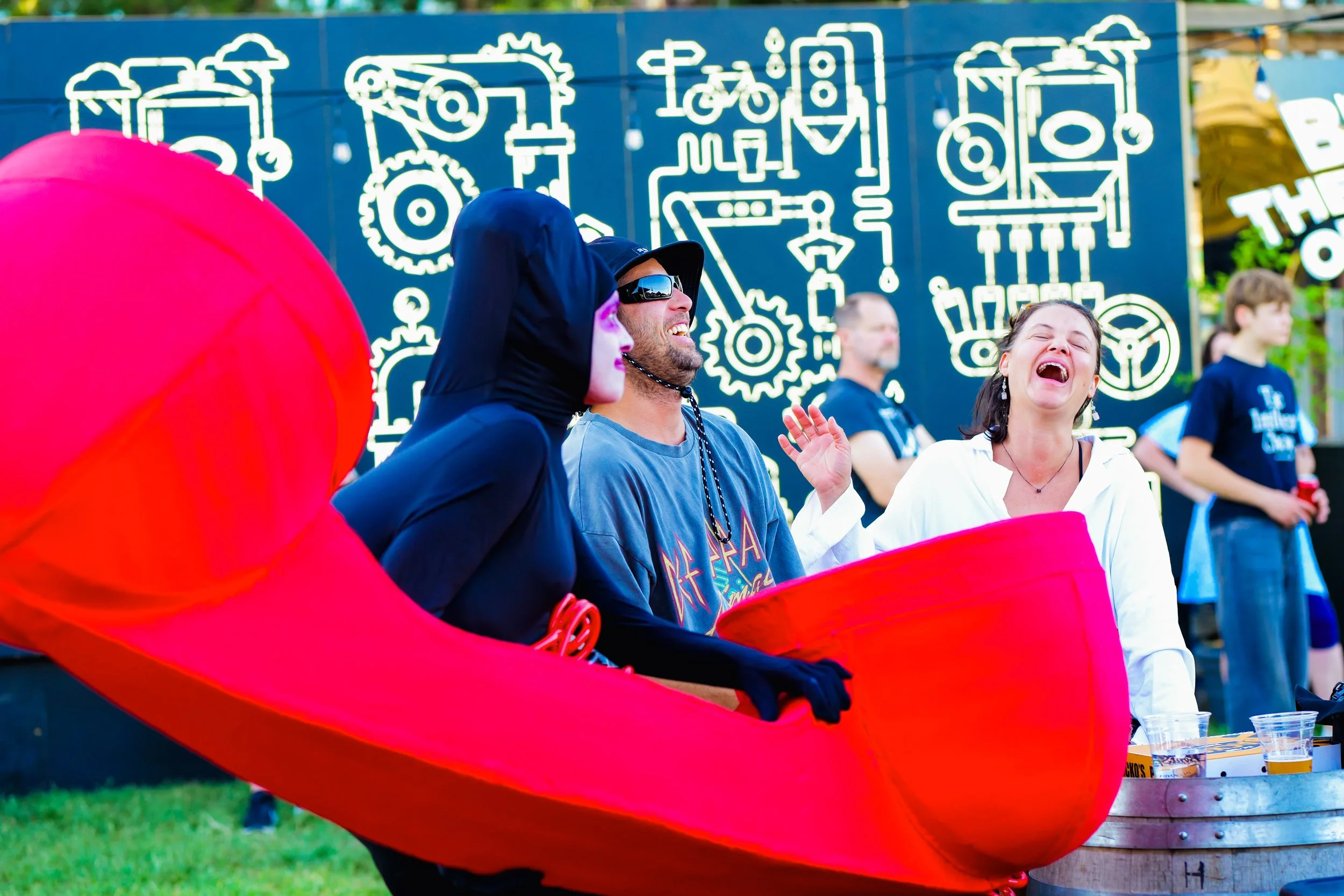
The word danger gets thrown around a lot in theatre. People talk about provocative work. Political work. Boundary-pushing work. But I find myself wondering whether danger has less to do with subject matter and more to do with uncertainty.
The genuinely dangerous artist doesn't always know where they are heading. Neither does the audience. Both are entering unfamiliar territory.
Increasingly, I notice artists gathering in circles of agreement. Comedy has them. Theatre has them. Clown has them. Bouffon has them.
People find their tribe, identify the villains, agree on the diagnosis and spend the evening applauding one another's conclusions.
The room feels righteous. The room feels united. The room rarely feels dangerous.
Community matters. Belonging matters. Artists need places to gather. But something strange happens when agreement becomes the destination. Curiosity begins to shrink. Questions become answers. Exploration becomes confirmation. The work starts to know exactly where it is going before it begins.
And that's where I find myself drifting back towards bouffon.
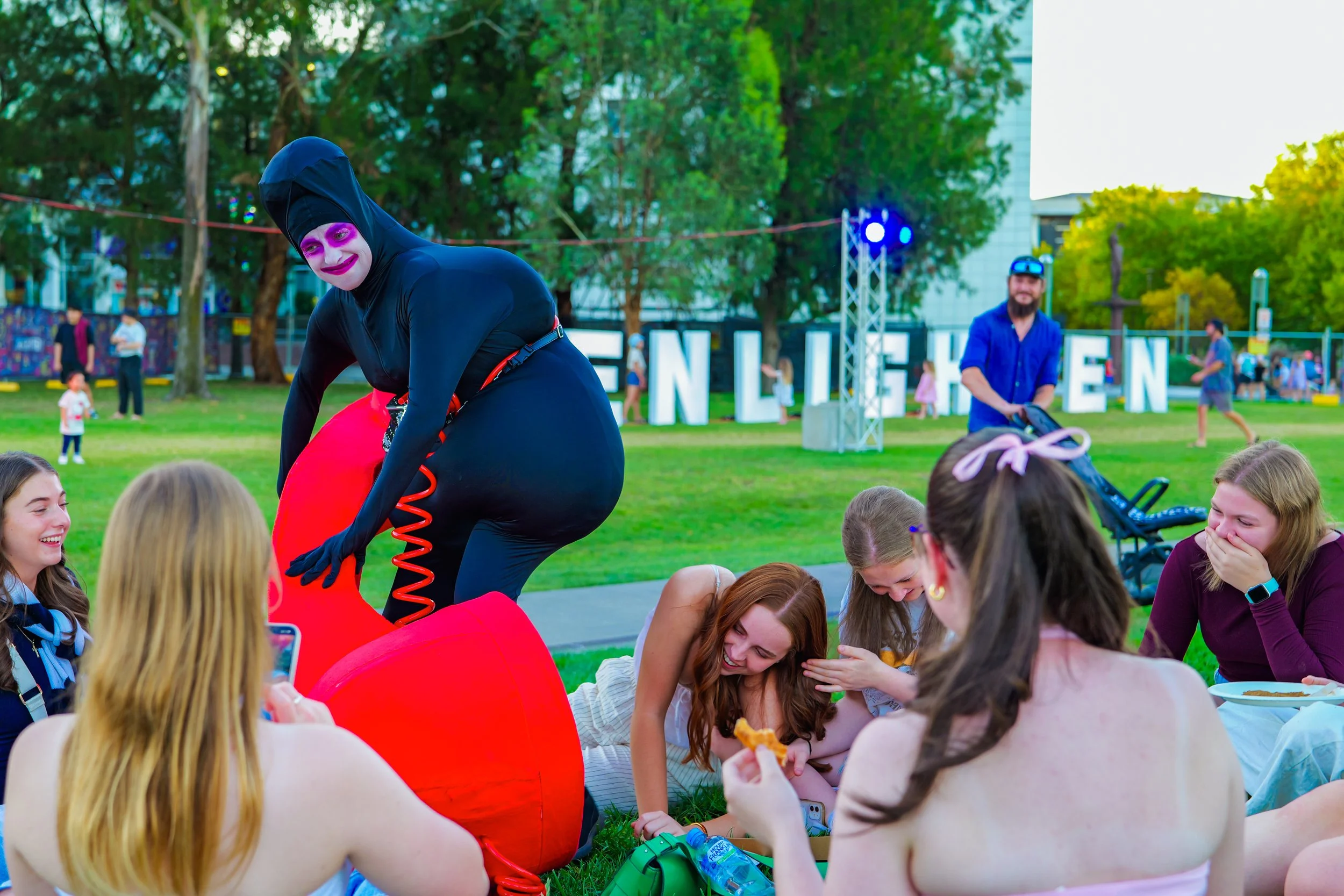
The bouffon has always fascinated me because it occupies an awkward position. It lingers at the edge of the village. It peers through the window. It watches the rituals, the rules, the fashions, the fears and the hypocrisies. Then it begins to play.
The bouffon notices what everybody else has stopped noticing. The blind spot. The contradiction. The sacred cow grazing peacefully in the middle of the room.
Historically, bouffon exposed power. Kings. Priests. Politicians. The wealthy. The respectable. The mighty.
But somewhere along the way another question emerged for me. What happens when the absurdity is already visible?
Politicians have become parodies of politicians. Influencers manufacture authenticity at industrial scale. Billionaires sermonise from private rockets. Artificial intelligence invents facts with complete confidence. The satirical sketch often arrives after the headline. The grotesque no longer hides in the shadows. It arrives before breakfast and lives in your pocket.
Sometimes I wonder whether the world has become more bouffon than the bouffon.
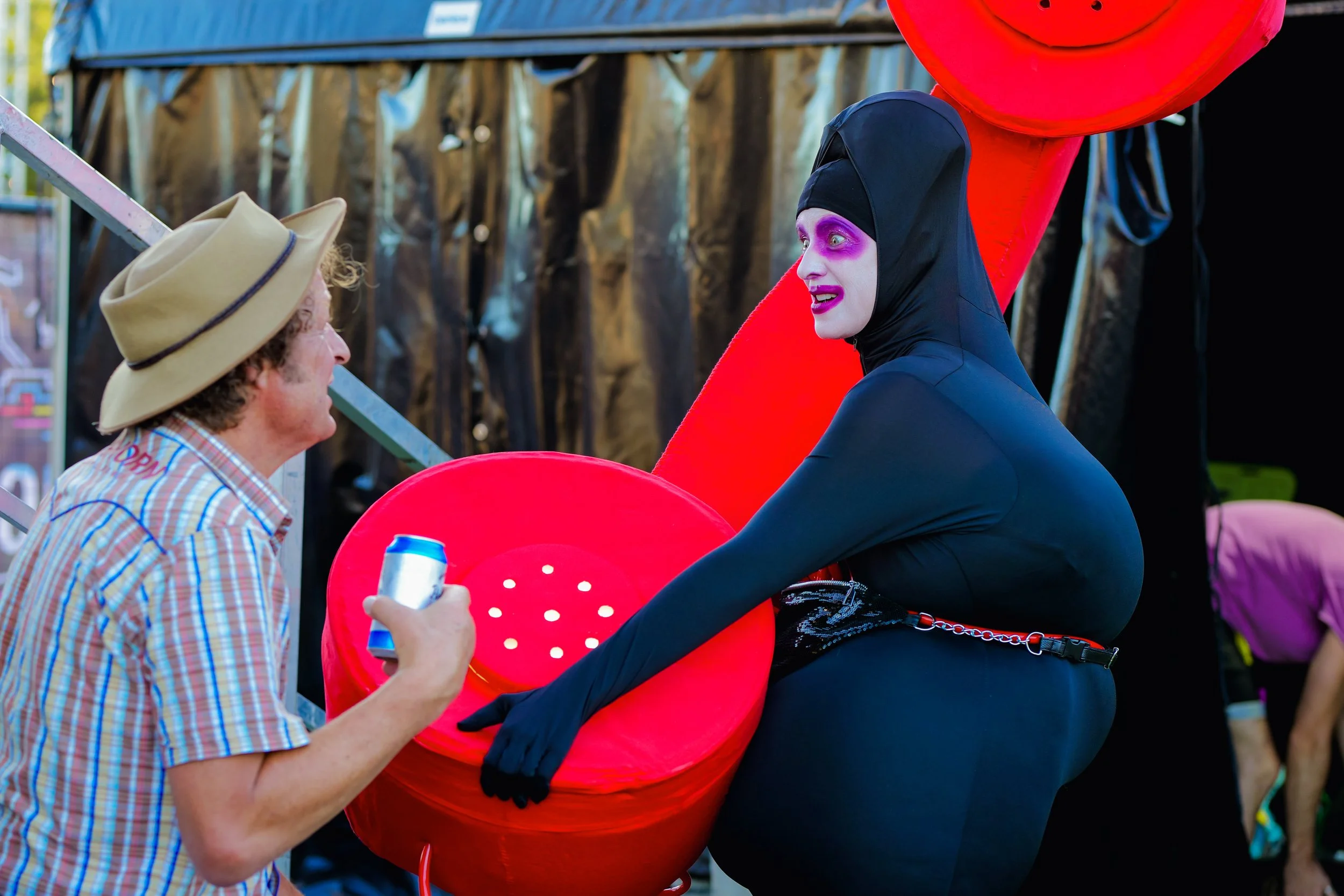
That question surfaced repeatedly throughout the March lab. We spent time mocking. Parodying. Exaggerating. Playing. Yet I found myself becoming increasingly interested in another territory altogether.
Nightmare.
Not horror and shock. Nightmare. The kind that feels plausible and arrives disguised as progress.
Humans outsourcing intimacy to algorithms. A room full of artists applauding each other's courage. A society optimising itself into oblivion.
The creatures inhabiting these worlds weren't suffering. They adored their reality. They celebrated it. They sold it to us with evangelical enthusiasm.
And something interesting happened. The laughter changed. It became thinner. Sharper. The audience wasn't laughing at somebody else's stupidity. They were laughing at a future they recognised.
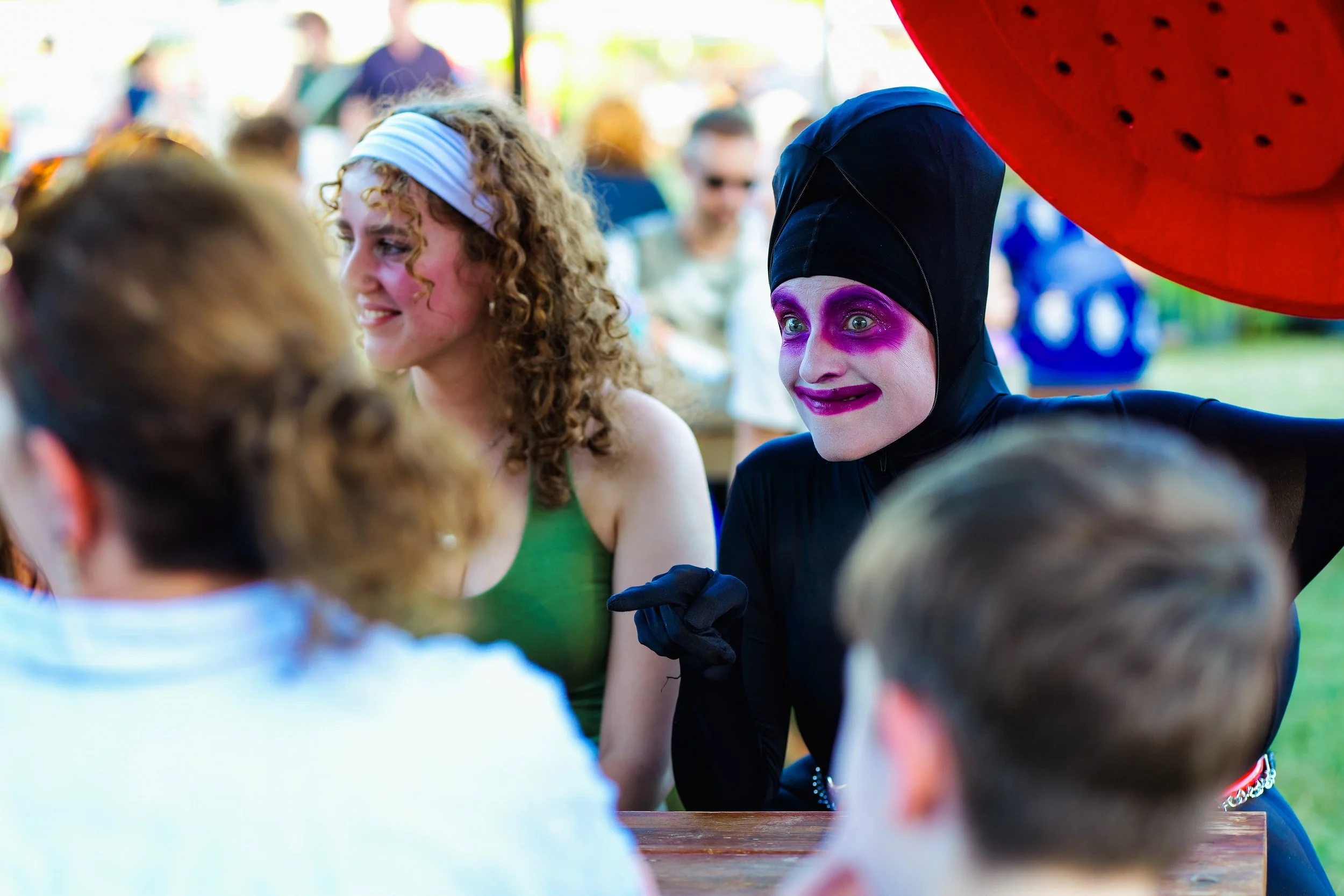
Perhaps that is where my curiosity now lives. Less in satire and more in revelation. Less in certainty and more in questions.
Artists like Michael Leunig have always interested me for this reason. While public attention rushed in one direction, he often wandered somewhere else entirely. Towards loneliness. Towards tenderness. Towards childhood. Towards the small absurdities of ordinary life.
He seemed drawn towards whatever had escaped the spotlight.
That feels increasingly important. Because the spotlight today is crowded. Everyone is looking at the same things. Arguing about the same things. Laughing at the same things. Outraged by the same things.
The artist may have another task. To wander off the path. To notice what everybody else has walked past. To ask the awkward question. To reveal the thing hiding beneath the joke.
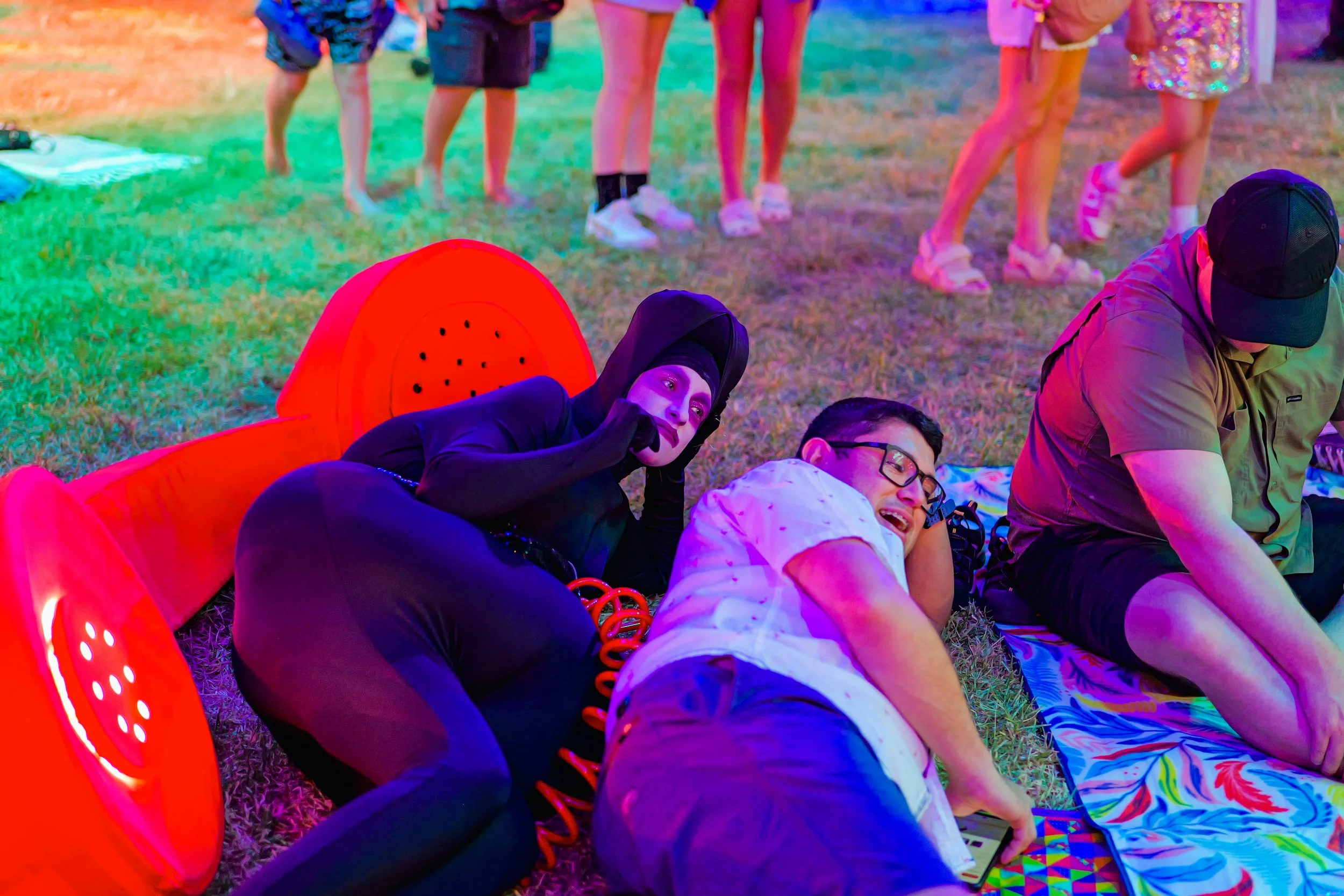
The March Bouffon Lab left me with more questions than answers. For me, that's usually a sign that something worthwhile has happened.
So I'll leave you with the question that continues to follow me.
What is the job of the artist now?
If every tribe already has its comedians, commentators and prophets... If satire itself has become predictable... If the absurdity is already visible...
Where should the artist look?
And what are we still afraid to laugh at?